Vintage Tattoo Font: Bold History for Modern Brands
There’s a specific weight to certain designs—a feeling that they’ve earned their place, that they carry a story. The Vintage Tattoo typeface captures that exact sentiment. It’s not just a display font; it’s a bridge between the raw, hand-poked traditions of early 20th-century flash art and the sharp demands of contemporary brand identity. If you’re looking to inject your projects with immediate authority and a gritty, timeless aesthetic, this premium font deserves a close look.
The Anatomy of Attitude: Visual Characteristics
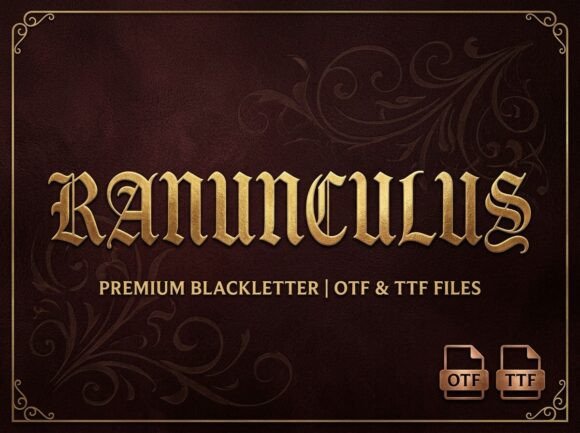
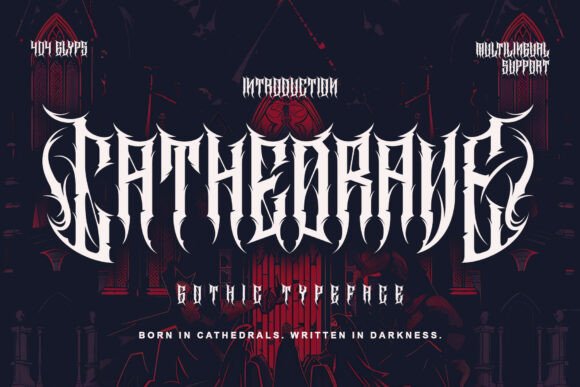
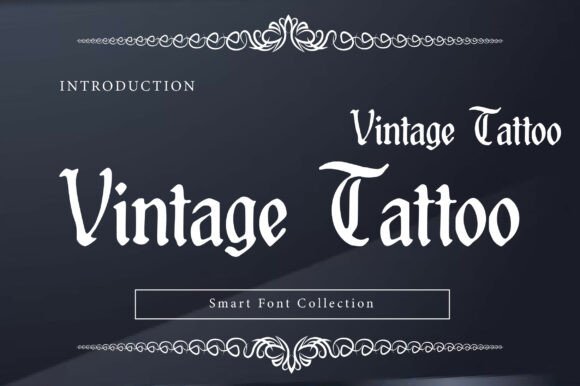
At its core, Vintage Tattoo is a study in bold, blocky blackletter influence, but with a distinct, weathered personality. Forget the delicate flourishes of some script fonts; this typeface is built on sharp, aggressive angles and a rock-solid baseline that commands respect. The letterforms feel "carved" rather than merely typed, featuring subtle imperfections and a textured finish that mimics the look of aged ink on skin or worn paper.
This isn’t a serif font for body text, nor a clean sans serif font for UI. It’s a character piece. The strokes are sturdy, designed to hold their own at large sizes. Its personality is unmistakably masculine, rebellious, and historic. Think of the bold, no-nonsense lettering on a biker’s cut or the iconic headers of a vintage barbershop sign. It carries an inherent sense of craftsmanship and rebellion, making it a powerful design asset for the right project.
Where This Typeface Truly Shines
Understanding where a creative font like this excels is key to using it effectively. Its strength lies in headlines and logos where impact is non-negotiable. For logo design, it’s a natural fit for motorcycle club logos, craft brewery brands, heavy metal album covers, and masculine grooming product lines. The font’s inherent authority can instantly position a brand as rugged, authentic, and steeped in tradition.
Beyond logos, consider its power in packaging design. Imagine it on a bottle of artisanal hot sauce or a box of vintage-style beard oil. In editorial design, it can set a powerful tone for magazine covers or feature headlines in publications about custom culture, rock music, or outdoor adventure. For web design, use it sparingly for hero sections or key call-to-action headers to create an unforgettable first impression. It translates powerfully to social media graphics for posts announcing events, product drops, or bold statements.
Practical Application: Pairing and Professionalism
Using a dominant display font like Vintage Tattoo effectively requires a thoughtful approach to font pairing. Because it’s so visually loud, it needs a quiet, complementary partner for any supporting text. A clean, simple sans serif font or a highly legible serif font works beautifully for body copy, ensuring readability while letting the headline command attention. Avoid pairing it with other ornate or script-style fonts, which will create visual chaos.
Before committing, always test the font in context. Check its readability at the sizes you plan to use it for. While it’s designed for impact, overly small sizes can lose its defining details. Review the full character set and any included styles (like alternates or ornaments) to see how they can enhance your specific project. Finally, for any commercial application—whether it’s a client’s logo, product packaging, or a monetized blog—confirm the licensing terms of this commercial font to ensure it covers your intended use. This due diligence is a mark of professionalism that protects both you and your clients.
The right typography does more than just spell words; it sets a mood, tells a story, and builds a recognizable brand identity. Vintage Tattoo offers a direct line to a specific, powerful aesthetic. When your project calls for that blend of historical weight and modern rebellion, this typeface provides a tool that’s impossible to ignore, helping you create designs that feel both authentic and authoritative.